Africa remains the ultimate safari destination, offering unparalleled wildlife experiences that have captivated travelers for generations. With over 54 countries and diverse ecosystems ranging from the Serengeti plains to the dense forests of Central Africa, choosing the perfect safari destination can be overwhelming. This comprehensive guide explores the best safari destinations in Africa for 2025, helping you plan the wildlife adventure of a lifetime.
Why Africa Remains the Premier Safari Destination
Africa’s safari reputation stems from its incredible biodiversity, iconic Big Five animals (lion, leopard, elephant, buffalo, and rhinoceros), and vast protected wilderness areas. The continent hosts over 1,100 mammal species and 2,600 bird species, making it a wildlife enthusiast’s paradise. Modern safari experiences have evolved beyond traditional game drives to include walking safaris, hot air balloon rides, and community-based tourism that supports local conservation efforts.
Top Safari Destinations in East Africa
1. Kenya: The Crown Jewel of African Safaris
Kenya stands as Africa’s most iconic safari destination, offering diverse landscapes and year-round wildlife viewing opportunities. The country’s strategic location along the Great Rift Valley creates unique ecosystems that support an extraordinary variety of wildlife.
Maasai Mara National Reserve
The Maasai Mara is arguably Kenya’s most famous safari destination, renowned for the Great Migration between July and October. This natural wonder sees over 1.5 million wildebeest, 400,000 zebras, and 200,000 gazelles crossing from Tanzania’s Serengeti. The reserve also boasts one of Africa’s highest concentrations of big cats, with over 400 lions and numerous leopards and cheetahs.
For official information and conservation updates, visit the Kenya Wildlife Service website.
Best Time to Visit: July to October for the Great Migration; January to March for fewer crowds
Amboseli National Park
Located at the foot of Mount Kilimanjaro, Amboseli National Park offers spectacular elephant viewing against Africa’s highest peak. The park’s underground water sources, fed by Kilimanjaro’s melting snow, create lush swamplands that attract large elephant herds year-round.
Key Wildlife: Large elephant herds, lions, cheetahs, hyenas, giraffes, zebras, and over 400 bird species
Tsavo National Parks (East and West)
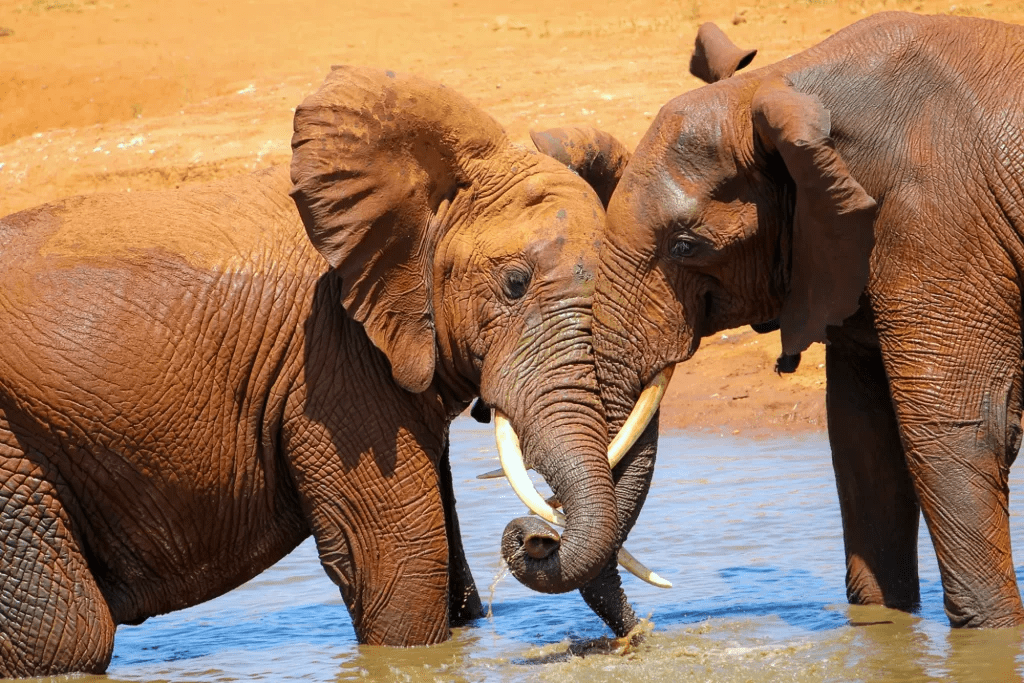
Combined, Tsavo East and West form one of the world’s largest national parks, covering over 22,000 square kilometers. These parks are famous for their red elephants, colored by the region’s red soil, and diverse landscapes ranging from semi-arid scrubland to riverine forests.
2. Tanzania: Home to the Serengeti and Ngorongoro Crater
Tanzania offers some of Africa’s most pristine wilderness areas and is home to three UNESCO World Heritage Sites related to wildlife conservation.
Serengeti National Park
The Serengeti National Park ecosystem spans 30,000 square kilometers and hosts the world’s most spectacular wildlife migration. The park’s name comes from the Maasai word “siringet,” meaning “endless plains,” perfectly describing its vast grasslands that support over 3 million large mammals.
Migration Timeline:
- December to March: Calving season in southern Serengeti
- April to June: Migration moves northwest
- July to October: River crossings in northern Serengeti
- November: Return journey south begins
Ngorongoro Crater
Often called the “Eighth Wonder of the World,” the Ngorongoro Crater is a 600-meter-deep volcanic caldera that functions as a natural zoo. This 260-square-kilometer crater floor supports approximately 25,000 large mammals, including one of Africa’s densest populations of lions and the rare black rhinoceros.
Unique Features:
- Self-contained ecosystem
- Year-round water supply
- All Big Five present
- Maasai pastoral communities coexist with wildlife
Tarangire National Park
Famous for its massive baobab trees and large elephant herds, Tarangire offers excellent wildlife viewing, especially during the dry season (June to October) when animals concentrate around the Tarangire River.
3. Uganda: The Pearl of Africa
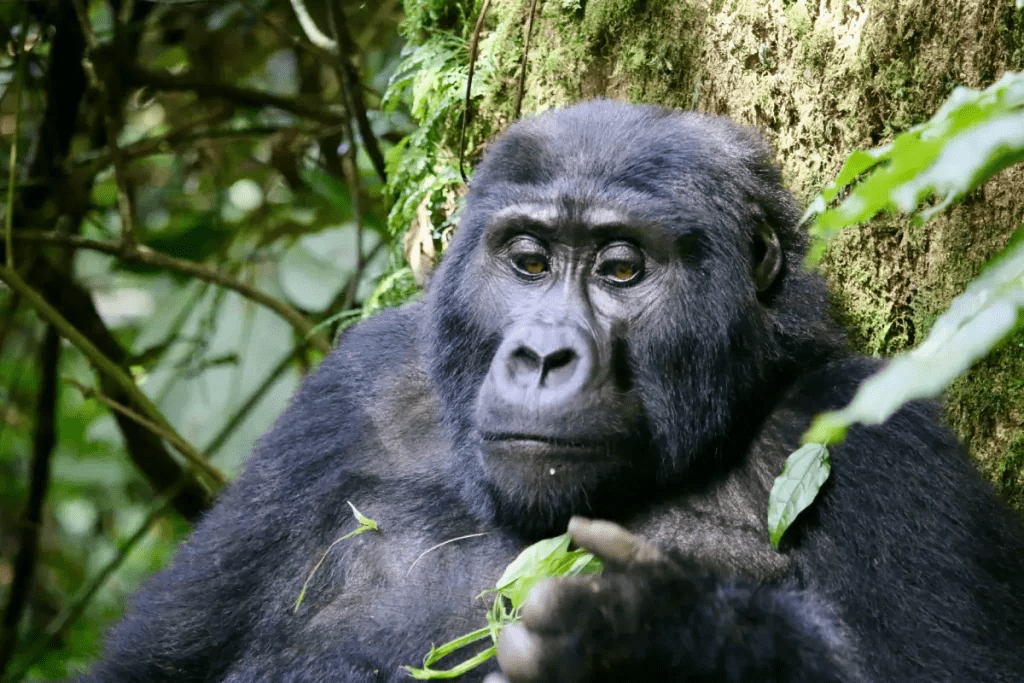
Uganda offers unique primate safari experiences alongside traditional game viewing, earning its nickname “The Pearl of Africa” from Winston Churchill.
Bwindi Impenetrable National Park
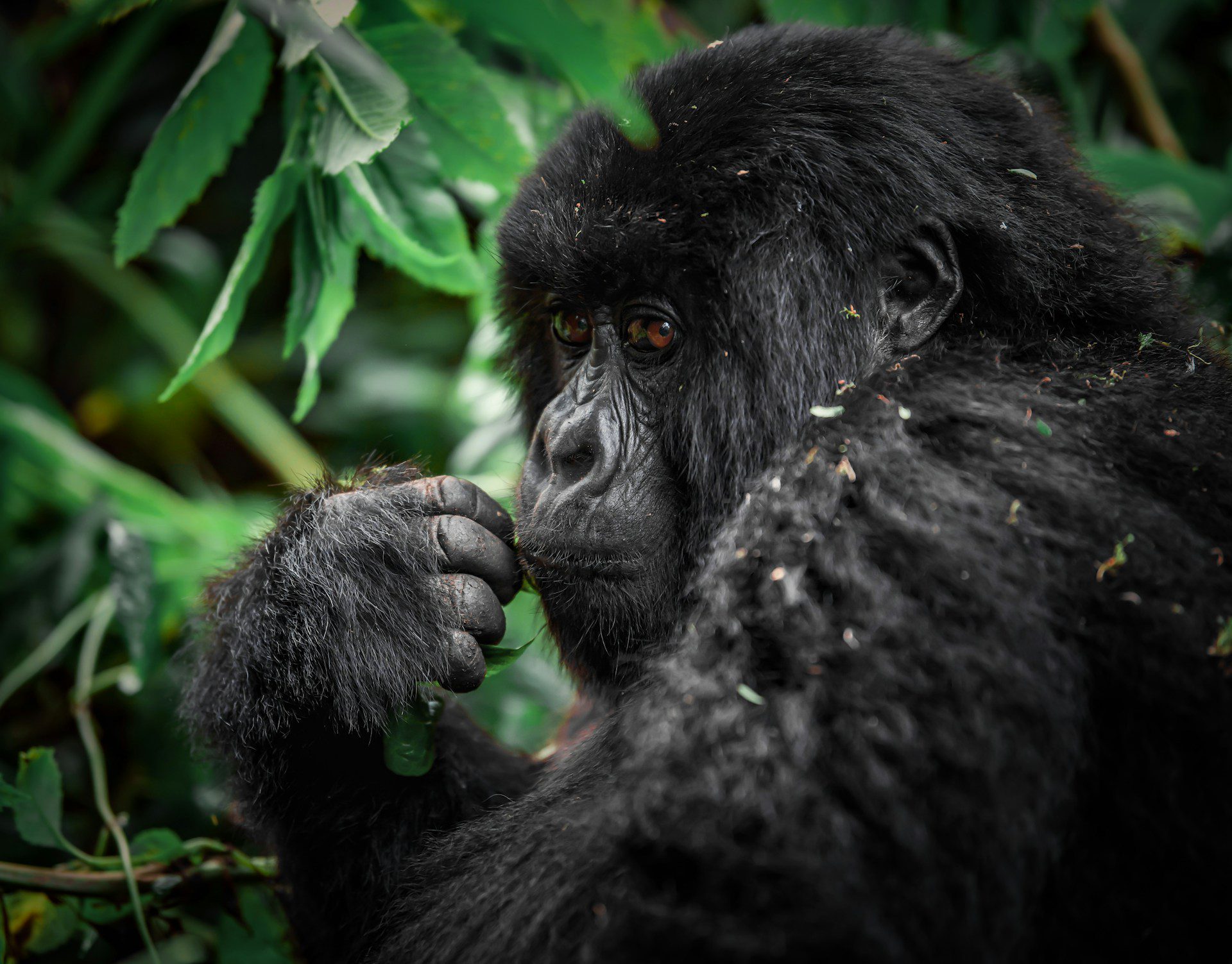
Home to nearly half of the world’s remaining mountain gorillas, Bwindi Impenetrable National Park offers once-in-a-lifetime gorilla trekking experiences. The park protects 400 mountain gorillas across 21 habituated families, with trekking permits allowing small groups to spend one hour with these magnificent creatures.
Gorilla Trekking Tips:
- Book permits well in advance (currently $700 per person)
- Physical fitness required for forest hiking
- Best months: June to August and December to February
Queen Elizabeth National Park
Uganda’s most popular national park offers diverse ecosystems, from savanna to wetlands to tropical rainforest. The park is famous for its tree-climbing lions in the Ishasha sector and boat safaris along the Kazinga Channel.
Kibale National Park
Known as the “Primate Capital of the World,” Kibale protects 13 primate species, including over 1,500 chimpanzees. The park offers excellent chimpanzee tracking experiences and habituation programs for more extensive primate encounters.
4. Rwanda: Land of a Thousand Hills
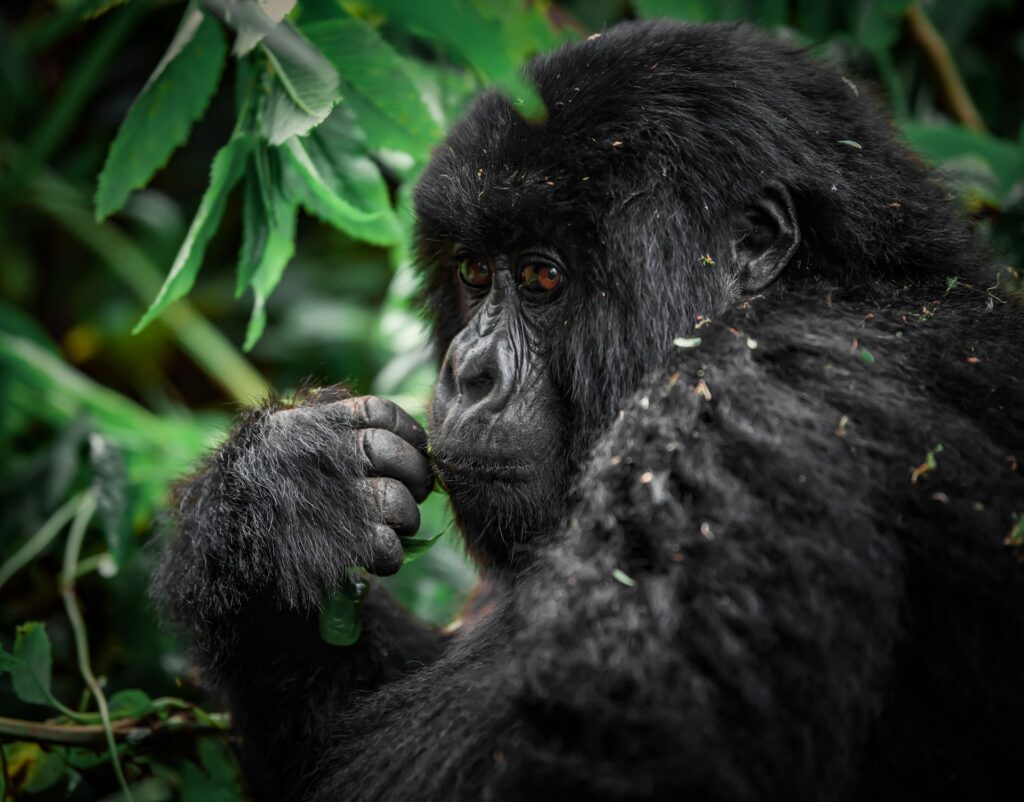
Rwanda has emerged as a premium safari destination, offering mountain gorilla experiences and successful conservation stories.
Volcanoes National Park
Rwanda’s portion of the Virunga Mountains hosts several mountain gorilla families and offers well-organized gorilla trekking experiences through the Rwanda Development Board. The park also provides golden monkey tracking and hiking opportunities to Dian Fossey’s grave and research center.
Southern Africa Safari Destinations
5. South Africa: Diverse Wildlife and Luxury Safaris
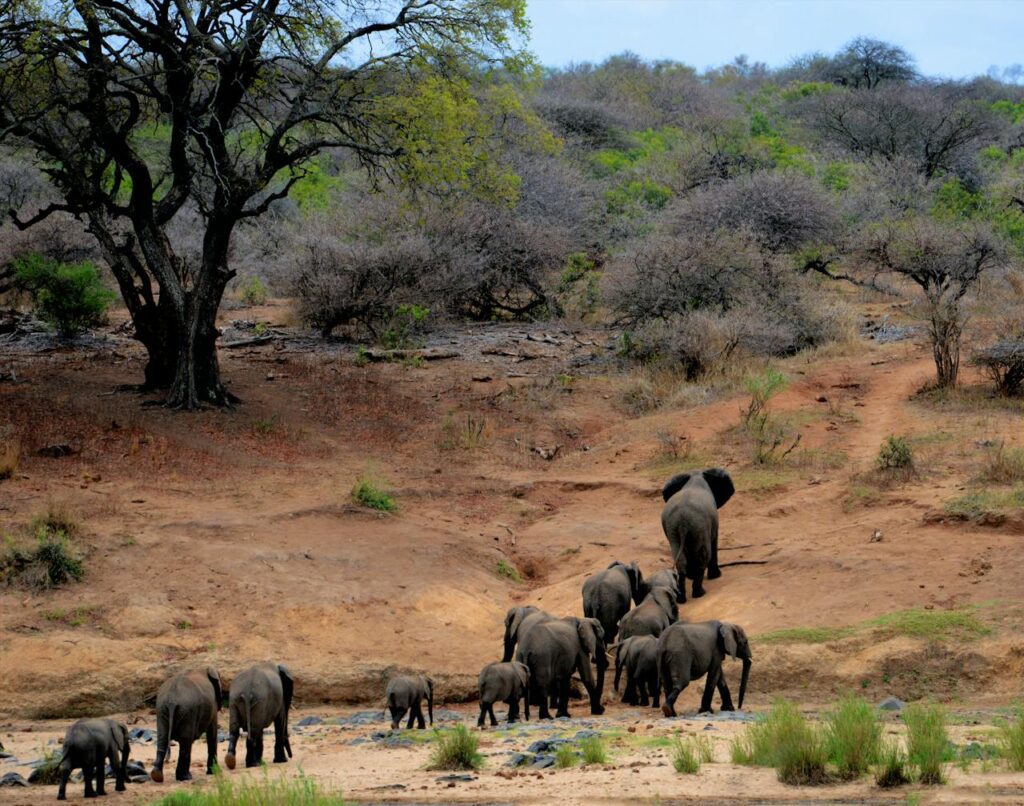
Kruger National Park
One of Africa’s largest game reserves, Kruger National Park spans nearly 20,000 square kilometers and offers excellent Big Five viewing. The park’s well-developed infrastructure makes it ideal for first-time safari visitors and self-drive adventures.
Accommodation Options:
- Government rest camps
- Private concessions
- Luxury safari lodges
- Self-catering facilities
Kgalagadi Transfrontier Park
Straddling South Africa and Botswana, this park offers exceptional predator viewing, particularly black-maned Kalahari lions and cheetahs adapted to semi-desert conditions.
6. Botswana: Pristine Wilderness and Water-Based Safaris
Okavango Delta
The world’s largest inland delta creates a unique ecosystem where desert meets water. This UNESCO World Heritage Site offers mokoro (dugout canoe) safaris, walking safaris, and traditional game drives across seasonal floodplains.
Best Time to Visit: May to September for optimal water levels and wildlife concentrations
Chobe National Park
Famous for Africa’s largest elephant population, with over 50,000 elephants, Chobe offers river-based game viewing along the Chobe River and diverse ecosystems from riverine forests to semi-arid savanna.
7. Zambia: Walking Safaris and Authentic Experiences
South Luangwa National Park
Birthplace of the walking safari, South Luangwa offers intimate wildlife encounters on foot with armed guides. The park is renowned for its leopard populations and diverse antelope species.
Lower Zambezi National Park
Located along the Zambezi River opposite Zimbabwe’s Mana Pools, this park offers canoeing safaris, tiger fishing, and excellent elephant and buffalo viewing along the riverbanks.
West and Central Africa: Off-the-Beaten-Path Adventures
8. Democratic Republic of Congo: Mountain Gorillas and Lowland Adventures
Virunga National Park
Africa’s oldest national park offers mountain gorilla trekking and the unique opportunity to observe active volcanoes. Despite security challenges, the park provides unparalleled wildlife experiences for adventurous travelers.
9. Cameroon: Diverse Ecosystems and Forest Elephants
Cameroon’s national parks protect forest elephants, western lowland gorillas, and diverse bird species across rainforest and savanna ecosystems.
Planning Your African Safari Adventure
Best Time to Visit Africa for Safari
The optimal safari timing depends on your priorities:
Dry Season (May to October):
- Easier wildlife spotting as animals congregate around water sources
- Better road conditions
- Fewer mosquitoes and reduced malaria risk
- Higher accommodation prices
Wet Season (November to April):
- Lush landscapes and excellent photography conditions
- Bird migration and breeding seasons
- Lower accommodation rates
- Some roads may be impassable
Safari Types and Experiences
Traditional Game Drives
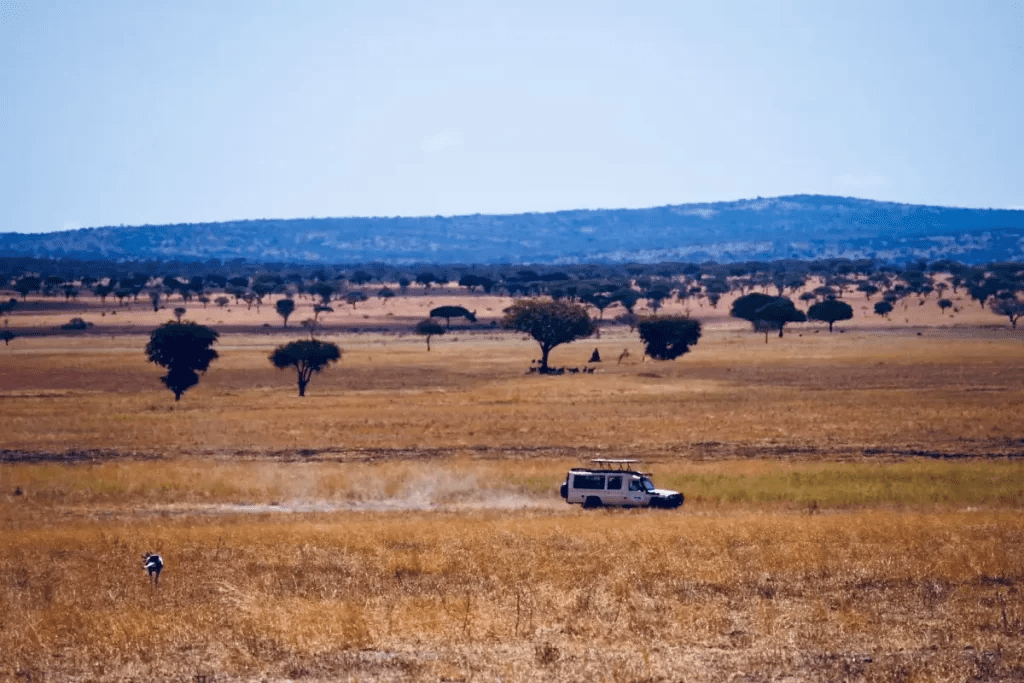
The classic safari experience involves early morning and late afternoon game drives in specialized safari vehicles with experienced guides who can spot and identify wildlife while sharing ecological knowledge.
Walking Safaris
Guided walks offer intimate wildlife encounters and insights into smaller ecosystem components often missed during vehicle-based safaris. Walking safaris require good physical fitness and are typically conducted in specific parks with trained armed guards.
Hot Air Balloon Safaris
Available in select locations like the Maasai Mara and Serengeti, balloon safaris provide aerial perspectives of wildlife and landscapes, typically followed by champagne breakfasts in the bush.
Night Game Drives
Some private concessions and parks offer night drives to observe nocturnal wildlife behavior, including hunting activities and species rarely seen during daylight hours.
Community-Based Tourism
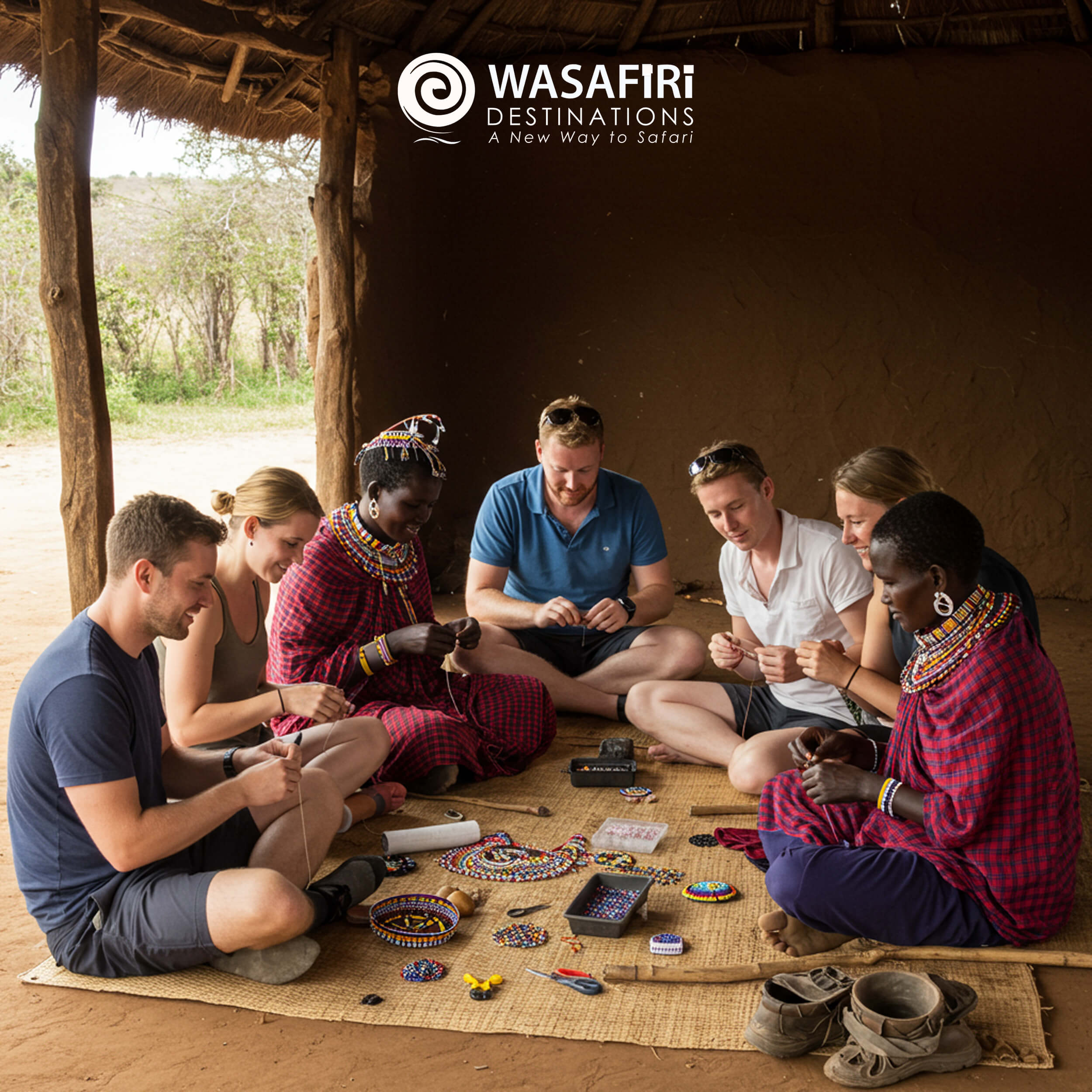
Many destinations now offer community tourism experiences that provide cultural insights while supporting local communities through tourism revenue.
Accommodation Options
Luxury Safari Lodges
High-end lodges offer premium amenities, gourmet cuisine, spa services, and exclusive wildlife viewing areas. These lodges typically include all meals, drinks, activities, and transfers.
Tented Camps
Semi-permanent tented camps provide authentic safari experiences with comfortable accommodations that blend adventure with comfort. Many feature en-suite bathrooms and elevated viewing decks.
Budget Camping Safaris
Camping safaris offer affordable African adventures with basic facilities but authentic experiences. Participants typically assist with camp setup and meal preparation.
Self-Drive Safaris
Available in countries like South Africa and Namibia, self-drive safaris provide flexibility and independence for experienced travelers comfortable with African road conditions.
Essential Safari Packing List
Clothing:
- Neutral-colored clothing (khaki, olive, brown)
- Long-sleeved shirts and pants for sun and insect protection
- Warm layers for early morning game drives
- Comfortable walking boots and casual shoes
- Wide-brimmed hat and sunglasses
Equipment:
- Binoculars (essential for wildlife viewing)
- Camera with extra batteries and memory cards
- Portable charger or power bank
- Flashlight or headlamp
- Insect repellent and sunscreen
- Personal first aid kit
Documentation:
- Valid passport with at least 6 months validity
- Visa requirements (varies by country)
- Yellow fever vaccination certificate (required for some countries)
- Travel insurance documentation
- International driving permit (for self-drive safaris)
Health and Safety Considerations
Vaccinations and Health Precautions
Consult a travel medicine specialist at least 6-8 weeks before departure for required and recommended vaccinations. The CDC Travel Health website provides up-to-date health information for African destinations. Common requirements include yellow fever, hepatitis A and B, typhoid, and meningitis vaccines.
Malaria Prevention
Most African safari destinations are in malaria-endemic areas. Consult healthcare providers about antimalarial medications and use protective measures like insect repellent, long sleeves, and bed nets. The World Health Organization provides detailed malaria prevention guidelines for travelers.
Travel Insurance
Comprehensive travel insurance should cover medical emergencies, evacuation, trip cancellation, and equipment loss. Ensure coverage includes adventure activities and remote area medical evacuation.
Conservation and Responsible Tourism
Supporting Conservation Through Tourism
Safari tourism provides crucial funding for wildlife conservation and local community development. Tourist revenue supports anti-poaching efforts, habitat protection, and community development programs that create alternatives to activities that threaten wildlife. Organizations like the African Wildlife Foundation and World Wildlife Fund work closely with tourism operators to ensure sustainable conservation practices.
Choosing Responsible Safari Operators
Select safari operators committed to:
- Supporting local communities through employment and revenue sharing
- Following sustainable tourism practices
- Contributing to conservation efforts
- Respecting wildlife and maintaining appropriate viewing distances
- Supporting local suppliers and services
Wildlife Photography Ethics
Responsible wildlife photography involves:
- Maintaining respectful distances from animals
- Never interfering with natural behaviors
- Following guide instructions regarding wildlife interactions
- Avoiding flash photography that might disturb animals
- Respecting park rules and regulations
Why Choose Wasafiri Destinations for Your African Safari
When planning your African safari adventure, selecting the right travel partner is crucial for ensuring a memorable and well-organized experience. Wasafiri Destinations specializes in creating personalized safari experiences across East Africa’s premier wildlife destinations, including Kenya, Tanzania, Uganda, Rwanda, and Zanzibar.
Personalized Safari Planning
Wasafiri Destinations understands that every traveler has unique preferences, interests, and budgets. Their upcoming Wasafiri App, launching in October 2025, will revolutionize safari planning by allowing travelers to create customized itineraries, invite friends to join their adventures, and seamlessly book accommodations and activities through a user-friendly mobile platform.
Local Expertise and Authentic Experiences
As a Kenya-based operator, Wasafiri Destinations leverages deep local knowledge and partnerships with community-based suppliers to offer authentic safari experiences. Their focus on working with local communities ensures that your safari contributes to sustainable tourism development while providing insights into East African cultures and traditions.
Comprehensive East Africa Coverage
Wasafiri Destinations covers all major East African safari destinations mentioned in this guide, from Kenya’s Maasai Mara and Amboseli to Tanzania’s Serengeti and Ngorongoro Crater, Uganda’s gorilla trekking experiences, and Rwanda’s mountain gorilla encounters. This regional expertise allows them to create multi-country safari itineraries that maximize wildlife viewing opportunities.
Planning Your 2025 African Safari
Sample Itineraries
Classic East Africa Safari (12 Days)
- Days 1-3: Nairobi arrival and Amboseli National Park
- Days 4-6: Maasai Mara National Reserve
- Days 7-9: Serengeti National Park, Tanzania
- Days 10-11: Ngorongoro Crater
- Day 12: Departure from Kilimanjaro Airport
Gorilla and Wildlife Safari (10 Days)
- Days 1-2: Arrival and Queen Elizabeth National Park, Uganda
- Days 3-4: Bwindi Impenetrable National Park (gorilla trekking)
- Days 5-6: Volcanoes National Park, Rwanda (gorilla trekking)
- Days 7-8: Akagera National Park, Rwanda
- Days 9-10: Return to Kigali and departure
Southern Africa Adventure (14 Days)
- Days 1-4: Kruger National Park, South Africa
- Days 5-7: Okavango Delta, Botswana
- Days 8-10: Chobe National Park, Botswana
- Days 11-13: Victoria Falls, Zimbabwe/Zambia
- Day 14: Departure
Budget Considerations
Safari costs vary significantly based on accommodation level, season, duration, and included activities:
Budget Safaris: $200-400 per person per day
- Camping or basic lodge accommodations
- Group tours with shared transportation
- Standard meal packages
Mid-Range Safaris: $400-800 per person per day
- Comfortable tented camps or lodges
- Smaller group sizes
- Most meals and activities included
Luxury Safaris: $800-2000+ per person per day
- Premium lodges with full-service amenities
- Private vehicles and guides
- All-inclusive packages with premium beverages
- Additional activities like hot air ballooning
Booking Timeline
12-18 Months in Advance:
- Research destinations and operators
- Book gorilla trekking permits through Uganda Wildlife Authority or Rwanda Development Board
- Secure preferred lodge accommodations during peak seasons
6-12 Months in Advance:
- Finalize itinerary details
- Book international flights
- Arrange travel insurance and visas
3-6 Months in Advance:
- Confirm health requirements and vaccinations with CDC Travel Health
- Purchase safari equipment and clothing
- Arrange domestic transportation
The Future of African Safari Tourism
Technology Integration
The safari industry is embracing technology to enhance visitor experiences while supporting conservation efforts. GPS tracking helps monitor wildlife movements, mobile apps provide real-time sighting information, and virtual reality experiences educate visitors about conservation efforts. The upcoming Wasafiri App is a clear testament to how technology is being used to elevate and enrich the African safari experience..
Sustainable Tourism Development
African countries are increasingly focusing on sustainable tourism models that balance wildlife conservation with community development. This includes community conservancies, eco-lodges powered by renewable energy, and tourism revenue-sharing programs that benefit local populations.
Conservation Success Stories
Several African countries have demonstrated remarkable conservation successes, including Rwanda’s mountain gorilla population recovery, Namibia’s community-based conservancy model, and Kenya’s rhino population stabilization through intensive protection programs. The International Union for Conservation of Nature (IUCN) tracks these conservation efforts and provides updated species status reports.
Conclusion
Africa’s safari destinations continue to offer unparalleled wildlife experiences that create lasting memories and support crucial conservation efforts. From the iconic Big Five encounters in Kenya’s Maasai Mara to intimate gorilla trekking experiences in Uganda’s forests, each destination provides unique opportunities to connect with nature and witness wildlife behaviors in their natural habitats.
The key to a successful African safari lies in careful planning, selecting reputable operators, and choosing destinations that align with your interests and physical abilities. Whether you’re seeking luxury, comfort, or authentic adventure, Africa’s diverse safari destinations can accommodate every preference and budget.
As you plan your 2025 African safari adventure, consider the seasonal variations, wildlife migration patterns, and conservation impact of your travel choices. By selecting responsible operators like Wasafiri Destinations who prioritize sustainable tourism practices and community engagement, you contribute to the long-term protection of Africa’s wildlife heritage while creating unforgettable memories.
The magic of African safaris lies not just in witnessing incredible wildlife but in experiencing the vast landscapes, meeting local communities, and understanding the complex relationships between conservation, tourism, and community development. As you embark on your African safari journey, you become part of a conservation story that extends far beyond your travel experience, contributing to the protection of these magnificent ecosystems for future generations.
Start planning your African safari adventure today, and prepare to be transformed by the raw beauty, incredible wildlife, and warm hospitality that make Africa the world’s premier safari destination. The adventure of a lifetime awaits in the heart of the African wilderness.