Last updated: June 2025 | Reading time: 12 minutes
When most travelers think of East Africa, images of the Big Five and endless savannas immediately come to mind. While wildlife safaris remain the region’s crown jewel, a transformative travel trend is reshaping how visitors experience Kenya, Tanzania, Uganda, Rwanda, and Zanzibar. Cultural tourism is emerging as the bridge between adventure and authentic human connection, offering travelers the opportunity to go beyond observation to a participatory approach with the local communities.
At Wasafiri Destinations, we’ve witnessed firsthand how cultural tourism transforms both travelers and the communities they visit. This comprehensive guide explores everything you need to know about cultural tourism in East Africa, from its profound impact on local communities to practical tips for planning your own culturally immersive adventure.
Table of Contents
- What is Cultural Tourism?
- Why East Africa is Perfect for Cultural Tourism
- Top Cultural Tourism Destinations in East Africa
- Authentic Cultural Experiences You Can’t Miss
- The Impact of Cultural Tourism on Local Communities
- Wasafiri Destinations & Undugu Fair Trade Partnership
- How to Plan a Responsible Cultural Tourism Trip
- Cultural Tourism vs Traditional Tourism
- Best Time to Visit for Cultural Experiences
- What to Pack for Cultural Tourism
- Frequently Asked Questions
What is Cultural Tourism?
Cultural tourism is a form of travel that focuses on experiencing the authentic culture, heritage, arts, and lifestyle of local communities. Unlike traditional sightseeing, cultural tourism emphasizes meaningful interactions with local people, participation in traditional activities, and deep learning about indigenous customs and ways of life.
According to the World Tourism Organization, cultural tourism accounts for nearly 40% of global tourism activities, with travelers increasingly seeking authentic, transformative experiences rather than passive observation.
Key Elements of Cultural Tourism:
- Active participation in local traditions and ceremonies
- Direct interaction with community members and artisans
- Learning opportunities about history, customs, and beliefs
- Economic contribution to local communities
- Sustainable practices that preserve cultural heritage
Why East Africa is Perfect for Cultural Tourism
East Africa stands as one of the world’s most culturally diverse regions, home to over 200 distinct ethnic groups, each with unique traditions, languages, and customs. This incredible diversity, combined with the region’s warm hospitality and rich oral traditions, creates an unparalleled environment for cultural tourism.
Cultural Diversity Highlights:
- Kenya: Over 40 ethnic groups including Maasai, Kikuyu, Luo, and Samburu
- Tanzania: Home to 120+ ethnic groups with Swahili as the unifying language
- Uganda: The “Pearl of Africa” with diverse kingdoms and tribal traditions
- Rwanda: Rich cultural heritage with traditional dance, crafts, and the famous Rwandan hospitality
- Zanzibar: Unique Swahili culture influenced by Arab, Persian, and Indian traditions
What Makes East African Cultural Tourism Special:
- Living Heritage: Many traditions are still actively practiced in daily life
- Oral Traditions: Rich storytelling culture passed down through generations
- Artisan Craftsmanship: From Maasai beadwork to Ugandan bark cloth
- Community-Based Tourism: Strong emphasis on community ownership and benefit
- Integration with Nature: Many cultures maintain deep connections with the natural environment
Top Cultural Tourism Destinations in East Africa
Kenya: The Cradle of Cultural Diversity
Maasai Mara Cultural Villages Experience authentic Maasai culture through traditional ceremonies, cattle herding experiences, and learning about the semi-nomadic lifestyle that has existed for centuries. Participate in traditional jumping dances, learn about medicinal plants, and understand the deep spiritual connection between the Maasai people and wildlife.
Samburu Cultural Experiences In Kenya’s northern region, engage with the Samburu people, cousins to the Maasai with distinct customs. Experience their unique beadwork traditions, learn about desert survival techniques, and participate in traditional blessing ceremonies.
Lamu Island Cultural Heritage This UNESCO World Heritage site offers a perfect blend of Swahili culture, with stone-carved architecture, traditional dhow sailing, and ancient Islamic influences. Participate in local festivals, learn traditional cooking methods, and explore the island’s rich maritime history.
Tanzania: Where Tradition Meets Modernity
Serengeti Cultural Programs Beyond the famous wildlife, engage with local communities living around the Serengeti ecosystem. Learn how indigenous communities have coexisted with wildlife for millennia and participate in traditional hunting and gathering demonstrations (ethical and educational only).
Stone Town, Zanzibar Immerse yourself in Spice Island culture through cooking classes, traditional medicine workshops, and exploration of the historic Stone Town’s winding alleys. Experience the unique blend of African, Arab, and Indian influences that define Zanzibar’s cultural identity.
Hadzabe Tribe Experiences Meet one of the last hunter-gatherer tribes in East Africa. Learn ancient survival skills, participate in traditional hunting demonstrations, and understand how the Hadzabe maintain their traditional lifestyle in the modern world.
Uganda: The Pearl of Cultural Heritage
Buganda Kingdom Cultural Sites Explore the rich traditions of Uganda’s largest kingdom, including visits to the Kabaka’s Palace, traditional craft centers, and participation in cultural ceremonies. Learn about the sophisticated political systems that existed long before colonial influence.
Batwa Cultural Experiences Engage with the indigenous “Pygmy” people who were the original inhabitants of the forests around Bwindi Impenetrable National Park. Learn about their traditional forest lifestyle, medicinal plant knowledge, and current community development initiatives.
Karamoja Cultural Programs Experience the semi-nomadic culture of the Karamojong people, known for their elaborate body decorations, cattle-keeping traditions, and unique architectural styles.
Rwanda: Land of a Thousand Hills and Rich Traditions
Iby’iwacu Cultural Village Located near Volcanoes National Park, this cultural center offers immersive experiences in traditional Rwandan culture, including traditional brewing, pottery making, and the famous Intore dance performances.
Traditional Craft Cooperatives Visit women’s cooperatives specializing in traditional basket weaving (Agaseke), pottery, and textile production. These experiences directly support community development and women’s empowerment initiatives.
Authentic Cultural Experiences You Can’t Miss
Artisan Workshops and Craft Learning
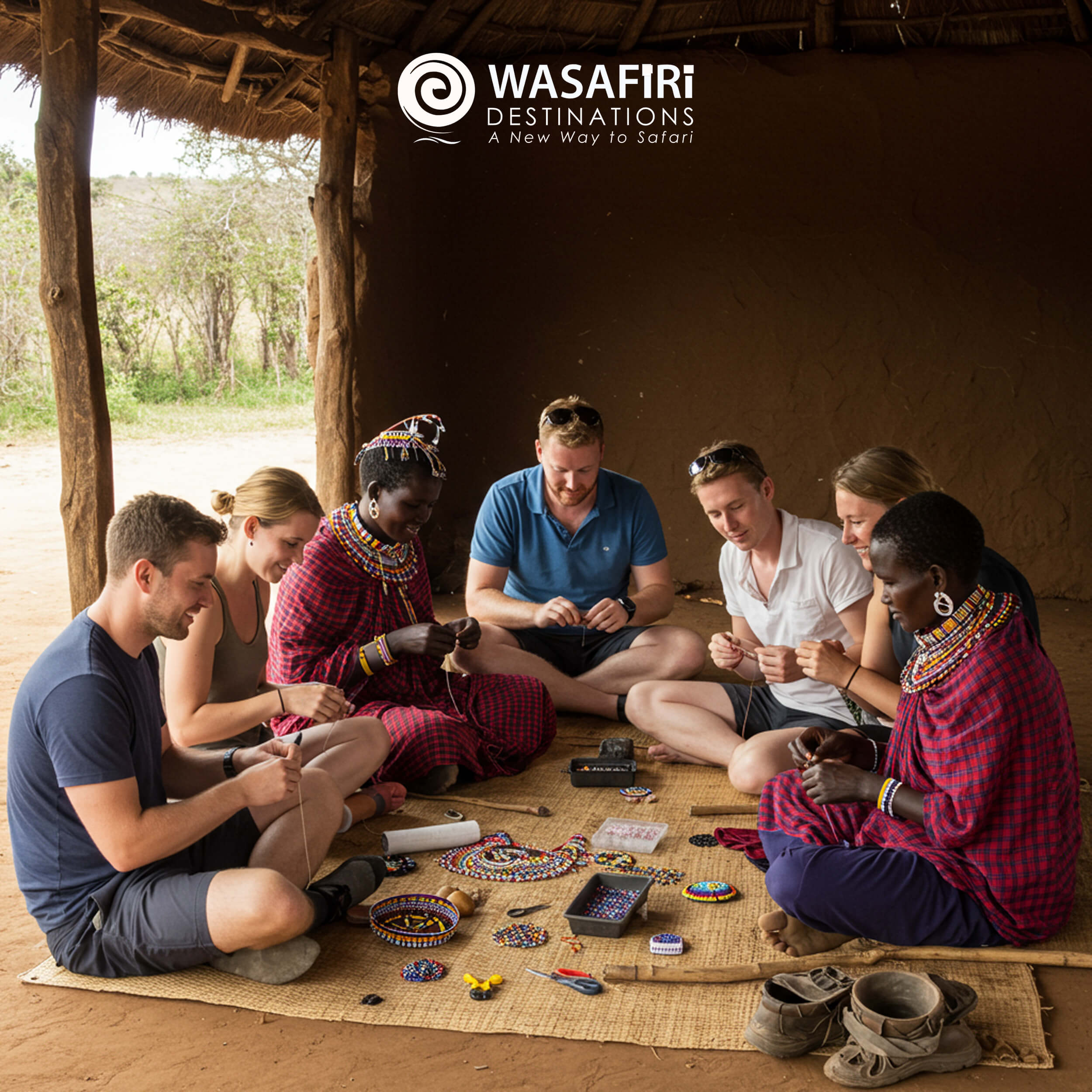
Traditional Beadwork with Maasai Women Sit alongside skilled Maasai women as they create intricate beadwork that tells stories of social status, age, and community identity. Each color and pattern has specific meaning, and you’ll learn to create your own piece while understanding the cultural significance behind every bead.
Pottery Making in Rural Villages Learn the ancient art of pottery making using traditional techniques passed down through generations. From clay preparation to firing methods, experience the meditative process of creating functional art while supporting local artisans.
Traditional Textile Weaving Discover the intricate process of creating traditional fabrics, from cotton preparation to the final woven product. Learn about natural dyes extracted from local plants and the cultural significance of different patterns and colors.
Culinary Cultural Experiences
Traditional Cooking Classes Participate in preparing authentic East African dishes using traditional methods. Learn to make ugali, nyama choma, pilau, and other regional specialties while understanding the cultural significance of different foods and dining customs.
Spice Farm Tours and Cooking (Zanzibar) Explore spice farms to understand how cloves, cardamom, and cinnamon have shaped Zanzibar’s culture and economy. Participate in harvest activities and learn to incorporate spices into traditional Swahili cuisine.
Traditional Brewing Experiences Learn about traditional beer and beverage production, including banana beer in Uganda and traditional honey wine. Understand the social and ceremonial importance of these beverages in different cultures.
Ceremonial and Spiritual Experiences
Traditional Blessing Ceremonies Participate in authentic blessing ceremonies conducted by community elders. These sacred experiences offer insight into traditional spiritual beliefs and practices while providing meaningful cultural exchange.
Traditional Music and Dance Participation Learn traditional dances and music from different ethnic groups. Understand the stories behind the movements, the significance of different rhythms, and the role of music in community life.
Storytelling Sessions with Elders Gather around evening fires to hear traditional stories, folklore, and oral history from community elders. These sessions provide deep insight into cultural values, moral teachings, and historical perspectives.
The Impact of Cultural Tourism on Local Communities
Cultural tourism, when implemented responsibly, creates significant positive impacts for local communities while preserving traditional ways of life for future generations.
Economic Benefits
Direct Income Generation Cultural tourism provides direct income to community members through guide fees, craft sales, accommodation, and food services. Unlike traditional employment that might require leaving the community, cultural tourism allows people to earn income while remaining in their ancestral lands.
Women’s Economic Empowerment Many cultural tourism initiatives specifically focus on women’s empowerment through craft cooperatives, cooking demonstrations, and cultural performances. This creates financial independence and leadership opportunities for women in traditionally patriarchal societies.
Community Development Projects Revenue from cultural tourism often funds community development projects including schools, health clinics, water systems, and infrastructure improvements. Visitors directly see how their tourism spending benefits the entire community.
Cultural Preservation Benefits
Incentive for Cultural Maintenance When traditional practices become a source of income, communities have economic incentives to maintain and pass on cultural traditions to younger generations.
Documentation and Archive Creation Cultural tourism often leads to the documentation of oral traditions, traditional practices, and cultural knowledge, creating valuable archives for future generations.
Intergenerational Knowledge Transfer Tourism activities that involve elders teaching traditional skills to both visitors and young community members help ensure cultural continuity.
Social and Environmental Benefits
Pride in Cultural Heritage When visitors show genuine interest and respect for local culture, it reinforces community pride in their traditions and lifestyle.
Environmental Conservation Many traditional cultures have sustainable environmental practices. Cultural tourism can support these practices and provide economic alternatives to potentially harmful activities like logging or mining.
Cross-Cultural Understanding Cultural tourism creates opportunities for meaningful cross-cultural exchange, breaking down stereotypes and building global understanding.
Wasafiri Destinations & Undugu Fair Trade Partnership
At the heart of meaningful cultural tourism lies the principle that travel should create a lasting positive impact for the communities we visit. Wasafiri Destinations is in partnership with Undugu Fair Trade.
This partnership merges travel and social impact, offering a seamless way for safari-goers to support local artisans while taking home a piece of Kenyan culture. It aligns perfectly with Wasafiri’s mission to foster sustainable tourism and community empowerment, and with Undugu’s dedication to fair trade empowerment.
How to Plan a Responsible Cultural Tourism Trip
Planning a responsible cultural tourism experience requires careful consideration of both your impact on local communities and the authenticity of your experiences.
Research and Preparation
Understand Cultural Context Before visiting, research the cultural background, traditions, and current challenges of the communities you plan to visit. Understanding historical context, social structures, and contemporary issues will enrich your experience and help you interact more respectfully.
Learn Basic Language Phrases Learning basic greetings and phrases in local languages demonstrates respect and often leads to warmer interactions. Even simple words like “hello,” “thank you,” and “goodbye” can make a significant difference.
Understand Cultural Etiquette Research appropriate dress codes, behavior expectations, photography protocols, and gift-giving customs. What might seem normal in your culture could be inappropriate or offensive in another context.
Choosing Responsible Tour Operators
Community-Owned Initiatives Prioritize tour operators and experiences that are owned and operated by local communities rather than external companies. This ensures that tourism revenue directly benefits the people you’re visiting.
Transparent Revenue Sharing Choose operators who are transparent about how tourism revenue is distributed within the community. Responsible operators will clearly explain how your payment supports local development.
Sustainability Practices Select operators who demonstrate commitment to environmental sustainability and cultural preservation. Look for certifications from organizations like the Global Sustainable Tourism Council.
Ethical Interaction Guidelines
Respect Photography Protocols Always ask permission before photographing people, especially during ceremonies or in private settings. Some cultures have specific beliefs about photography that should be respected.
Participate, Don’t Just Observe Engage actively in cultural activities when invited. Show genuine interest in learning and participating rather than just watching as a passive observer.
Support Local Economy Purchase authentic crafts directly from artisans when possible. This provides direct economic benefit and ensures you’re getting genuine, high-quality cultural products.
Give Meaningful Gifts If you want to give gifts, choose items that are useful to the community rather than items that might create dependency or cultural disruption. Educational materials, books, or donations to community projects are often more appropriate than individual gifts.
Cultural Tourism vs Traditional Tourism
Understanding the differences between cultural tourism and traditional tourism helps travelers make informed choices about their travel experiences.
Traditional Tourism Characteristics:
- Focus on popular attractions and landmarks
- Standardized experiences across different locations
- Limited interaction with local communities
- Emphasis on comfort and familiar amenities
- Often seasonal and weather-dependent
- Economic benefits primarily to large tourism companies
Cultural Tourism Characteristics:
- Focus on authentic local experiences and human connections
- Unique, location-specific experiences
- Deep interaction and learning opportunities with local communities
- Emphasis on cultural immersion and personal growth
- Less dependent on seasons or weather conditions
- Economic benefits directly to local communities
Benefits of Choosing Cultural Tourism:
For Travelers:
- More meaningful and transformative experiences
- Deeper understanding of global diversity
- Personal growth through cultural exchange
- Unique stories and memories that can’t be replicated
- Skills and knowledge acquisition
- Greater travel satisfaction and fulfillment
For Destinations:
- More sustainable and equitable tourism development
- Preservation and valorization of cultural heritage
- Community empowerment and capacity building
- Diversification of tourism offerings
- Reduced environmental impact compared to mass tourism
- Stronger community resilience and cultural pride
Best Time to Visit for Cultural Experiences
While cultural experiences are available year-round, certain times offer unique opportunities to participate in special ceremonies, festivals, and seasonal activities.
Kenya Cultural Calendar:
- January-March: Maasai circumcision ceremonies (varies by community) – Learn more about Maasai culture
- April-June: Traditional planting season activities
- July-September: Harvest celebrations and cattle ceremonies
- October-December: Wedding season and community festivals
Tanzania Cultural Calendar:
- January-February: Harvest festivals in agricultural communities
- June-August: Traditional hunting season demonstrations (Hadzabe people)
- September-November: Cultural festivals in Stone Town, Zanzibar
- December: End-of-year community celebrations
Uganda Cultural Calendar:
- March-May: Traditional planting ceremonies
- June-August: Kingdom festivals and cultural celebrations
- September-November: Harvest festivals
- December-January: Traditional wedding season
Rwanda Cultural Calendar:
- January: Harvest season celebrations
- June-August: Traditional dance competitions
- September: Cultural heritage month
- December: Community celebration season
General Considerations:
- Dry seasons (June-September, December-February) offer better travel conditions
- Rainy seasons (March-May, October-November) provide opportunities to experience daily life and indoor cultural activities
- School holidays offer chances to interact with children and family-oriented activities
- Religious and cultural festivals provide unique ceremonial experiences
What to Pack for Cultural Tourism
Packing for cultural tourism requires balancing respect for local customs with practical travel needs.
Clothing Essentials:
Respectful Attire:
- Long pants and long-sleeved shirts for conservative communities
- Modest dresses or skirts that cover knees
- Comfortable closed-toe shoes for walking in villages
- Lightweight scarf or wrap for covering shoulders or head when required
- Neutral, earth-tone colors that don’t draw excessive attention
Activity-Specific Clothing:
- Comfortable shoes suitable for walking on uneven terrain
- Old clothes that you don’t mind getting dirty during craft activities
- Traditional clothing items (if gifted or purchased) for special occasions
- Rain gear for wet season travel
Cultural Interaction Items:
Learning Materials:
- Notebook and pens for taking notes and sketching
- Basic phrase book or language app (Duolingo offers Swahili courses)
- Small gifts from your home country (postcards, small crafts, books)
- Camera with extra batteries (respect photography protocols)
Craft and Activity Supplies:
- Small craft supplies to share (colored pencils, paper, beads)
- Reusable water bottle
- Hand sanitizer and basic first aid supplies
- Sunscreen and insect repellent
Technology and Documentation:
- Portable phone charger or power bank
- Voltage adapter for electronic devices
- Physical copies of important documents
- Travel insurance documentation
- Emergency contact information
Frequently Asked Questions
Is cultural tourism safe for solo travelers?
Cultural tourism is generally very safe, especially when arranged through reputable community-based operators. Local communities are typically welcoming and protective of visitors. However, always inform someone of your itinerary and follow basic travel safety precautions.
How much should I budget for cultural tourism experiences?
Cultural tourism experiences typically range from $30-150 per day depending on the activities, location, and level of accommodation. This usually includes guide fees, activities, meals, and accommodation. Remember that higher prices often mean more direct benefit to local communities.
Do I need special permits for cultural tourism?
Most cultural tourism activities don’t require special permits beyond standard tourist visas. However, some remote areas or specific cultural sites may require additional permissions. Your tour operator should handle these arrangements.
What languages do I need to know?
English and Swahili are widely spoken across East Africa. However, learning basic greetings in local languages (like Maasai, Kikuyu, or Luganda) will greatly enhance your experience and show respect for local culture.
Can children participate in cultural tourism?
Many cultural tourism experiences are excellent for families with children. Kids often have wonderful interactions with local children and enjoy hands-on activities like craft making and traditional games. Verify age-appropriate activities with your tour operator.
How do I know if a cultural tourism experience is authentic?
Look for experiences that are community-owned, involve real participation rather than performances for tourists, allow natural interactions with local people, and clearly demonstrate how tourism revenue benefits the community.
What should I do if I accidentally offend someone culturally?
Apologize sincerely, ask how to do better, and show genuine interest in learning. Most people appreciate honest mistakes from visitors who show respect and willingness to learn.
Can I visit during religious or cultural ceremonies?
Some ceremonies welcome respectful visitors, while others are private or sacred. Always check with community leaders or your guide before attending any ceremony, and follow all protocols regarding behavior, dress, and photography.
Conclusion: Your Cultural Journey Awaits
Cultural tourism in East Africa offers more than just another travel experience—it provides a transformative journey that connects you with the rich tapestry of human diversity that makes our world so extraordinary. From learning traditional beadwork alongside Maasai women to participating in harvest celebrations in Ugandan villages, every interaction becomes a bridge between cultures and a step toward global understanding.
As you plan your cultural tourism adventure, remember that you’re not just a visitor—you’re a participant in a cultural exchange that has the power to transform both you and the communities you visit. Your respectful engagement, genuine curiosity, and economic contribution help preserve traditions for future generations while creating meaningful connections that transcend geographic boundaries.
At Wasafiri Destinations, we believe that travel should change the way you see the world. Our carefully curated cultural tourism experiences ensure that every interaction is authentic, every activity supports local communities, and every moment contributes to a more connected and understanding world.
Additional Resources for Cultural Tourism Planning:
Official Tourism Boards:
- Kenya Tourism Board – Official information on cultural sites and experiences
- Tanzania Tourism Board – Cultural tourism initiatives and community programs
- Uganda Tourism Board – Cultural heritage sites and community-based tourism
- Rwanda Development Board – Cultural tourism and heritage sites
- Zanzibar Tourism – Spice Island cultural experiences
Cultural Heritage Organizations:
- UNESCO East Africa – World Heritage cultural sites
- African Heritage Foundation – Cultural preservation initiatives
- East African Community – Regional cultural tourism development
Responsible Tourism Resources:
- Responsible Travel – Ethical travel guidelines and operators
- Tourism Concern – Ethical tourism advocacy and education
- The International Ecotourism Society – Sustainable tourism practices
Language Learning Resources:
- Swahili Language Learning – Basic Swahili phrases for travelers
- African Languages Online – Multiple East African language resources
Ready to embark on your own cultural tourism adventure? Contact us at Wasafiri Destinations to begin planning your transformative journey through East Africa’s rich cultural landscape.
Experience East Africa through its people, culture, and craftsmanship. This is cultural tourism redefined.
Wasafiri Destinations specializes in authentic cultural tourism experiences across Kenya, Tanzania, Uganda, Rwanda, and Zanzibar. Our community-based approach ensures that your travel creates positive impact while providing you with transformative cultural experiences.
Keywords: Cultural tourism East Africa, authentic cultural experiences Kenya, community-based tourism Tanzania, cultural heritage Uganda, sustainable tourism Rwanda, Zanzibar cultural tours, Maasai cultural experiences, East Africa travel guide, responsible tourism, cultural immersion travel